Matches Seeds
Table Queen Acorn Squash
Table Queen Acorn Squash
Impossible de charger la disponibilité du service de retrait
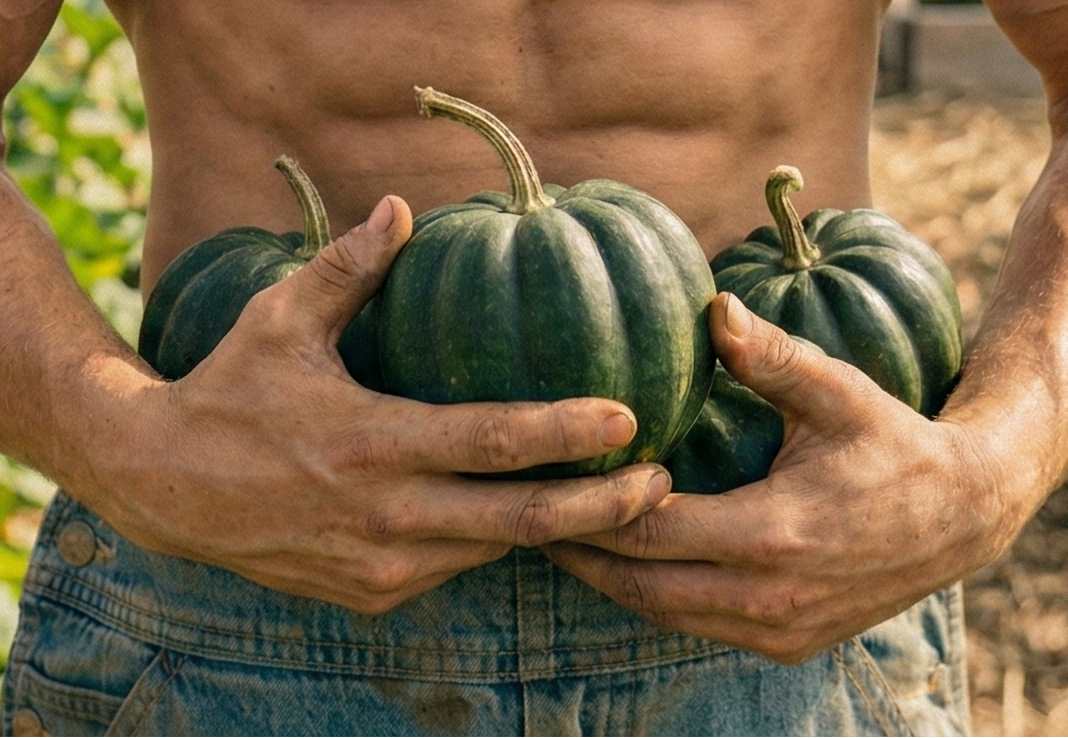
Table Queen Acorn Squash (also known as Des Moines or Danish Squash) is a legendary heirloom acorn squash introduced in 1913. It is highly prized for its reliable performance in short-season climates like ours in Canada.
Type: Winter Squash (Acorn)
Maturity: 80–90 days
Fruit Size: ~6 inches (15 cm) in diameter; 1–2 lbs
Appearance: Deeply ribbed, dark green skin with pale yellow to golden-orange flesh.
Flavor: Sweet and nutty; often compared to sweet potato when roasted.
Growing Guide for Canada
Given our shorter growing window and risk of early fall frosts, timing is everything for Table Queen.
1. Starting & Planting
Indoor Start: Start seeds 3 weeks before the last frost (usually early to mid-May). Use peat or paper pots, as squash roots are sensitive and dislike being disturbed during transplanting.
Direct Sowing: Only sow directly once the soil has warmed to at least 18°C-21°C (usually early June).
Method: Plant in "hills" (small mounds). Space hills about 3–4 feet apart for bush varieties or 6 feet for vining types. Sow 4–6 seeds per hill, 1 inch deep, and thin to the strongest 2–3 plants.
2. Care & Maintenance
Sun: Requires full sun (6+ hours per day).
Watering: Consistent moisture is key. Aim for about 1 inch of water per week, watering at the base to keep leaves dry and prevent powdery mildew.
Pollination: Like most squash, Table Queen has separate male and female flowers. Ensure you have pollinators (bees) or hand-pollinate if you notice small fruit shriveling and falling off.
3. Harvesting & Storage
Harvest: Pick before the first hard frost. You’ll know they are ready when the skin is hard enough that it can't be punctured by a fingernail and the "ground spot" (where it touches the earth) turns orange.
The Stem Rule: Always cut the squash with 2–3 inches of stem attached. Removing the stem entirely creates an entry point for rot.
Storage: Table Queen is an excellent "keeper." Store in a cool, dry place (10°C–13°C) for 2–3 months.
Share