Matches Seeds
Swiss Chard Rhubarb Chard (Ruby Red Heirloom)
Swiss Chard Rhubarb Chard (Ruby Red Heirloom)
Impossible de charger la disponibilité du service de retrait
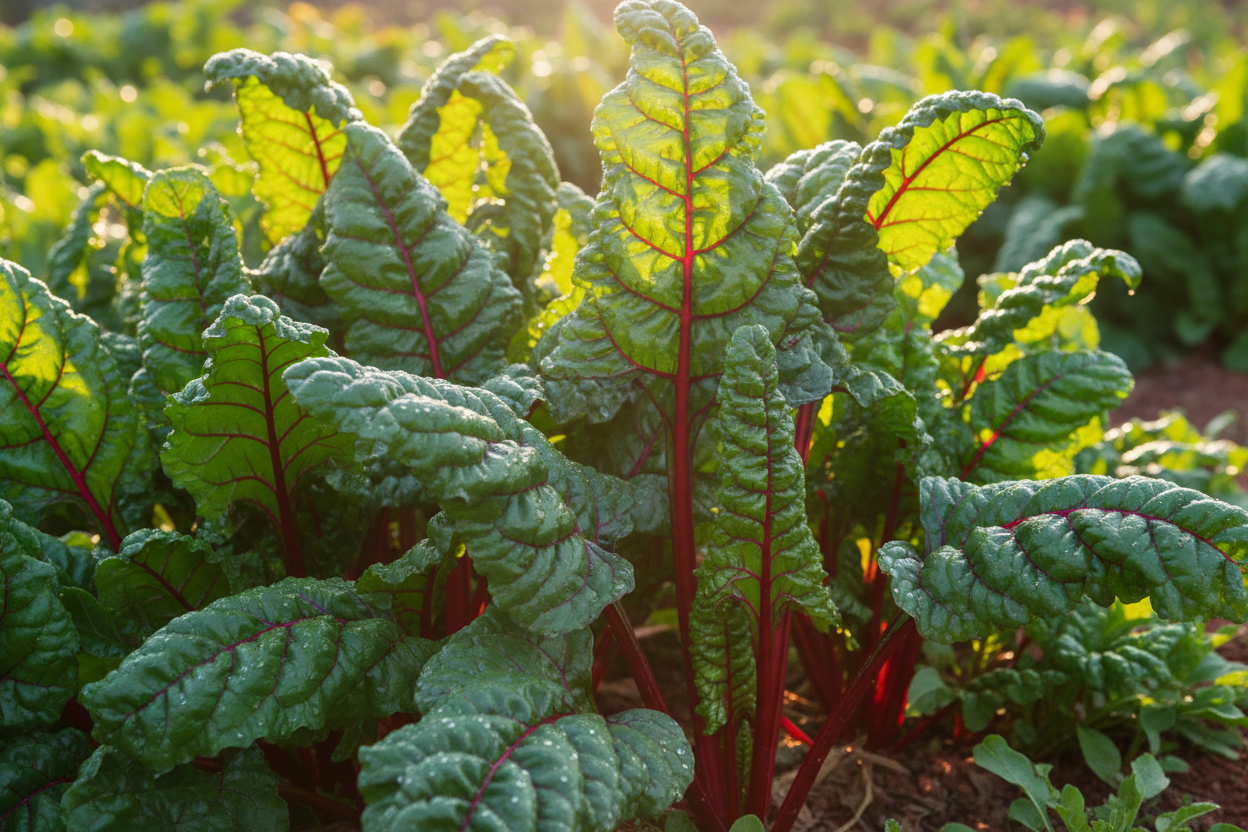
Add a striking, dramatic pop of color to your vegetable garden with Rhubarb Swiss Chard. Named for its uncanny visual resemblance to traditional rhubarb, this gorgeous heirloom variety features deep crimson-red stalks and brilliant scarlet veins that contrast beautifully against a canopy of dark, crumpled green leaves.
Beyond its ornamental value in edible landscapes, Rhubarb Chard is a culinary delight. It offers a milder, sweeter, and more delicate flavor profile than standard green varieties, entirely free from any harsh bitterness. Highly adaptable and incredibly hardy, it handles the heat of mid-summer and the light frosts of late autumn with ease, giving you a beautiful, continuous harvest when other leafy greens begin to struggle.
Key Highlights:
-
Days to Maturity: 50–60 days (or 30 days for tender baby greens)
-
Visual Profile: Striking ruby-red stalks and veins with heavily textured dark green foliage.
-
Plant Type: Open-Pollinated Heirloom
-
Flavor: Remarkably mild and sweet; an excellent spinach substitute.
Quick-Reference Growing Guide
When to Plant: Direct sow outdoors starting 2–3 weeks before the last spring frost, or continue planting through mid-summer for a robust autumn crop.
Depth & Spacing: Sow seeds ½ inch (12mm) deep. Space seeds roughly 2 inches apart, then thin the emerging seedlings to 6–10 inches apart to encourage broad, sturdy stalks.
Sun & Soil: Prefers Full Sun to Partial Shade. Thrives in loose, fertile, well-draining soil rich in organic matter.
Watering: Maintain consistent moisture. Even watering prevents the stalks from becoming woody and keeps the flavor sweet.
Companion Planting: Grows wonderfully alongside lettuce, radishes, carrots, and onions. Keep it clear of spinach and beets to avoid shared pests.
How to Harvest:
Enjoy a non-stop "cut-and-come-again" harvest by choosing the outer stalks first. Cut or snap them off cleanly near the base of the plant, leaving the central growing heart intact to generate non-stop fresh foliage until winter arrives.
Share