Matches Seeds
Table Queen Acorn Squash
Table Queen Acorn Squash
Couldn't load pickup availability
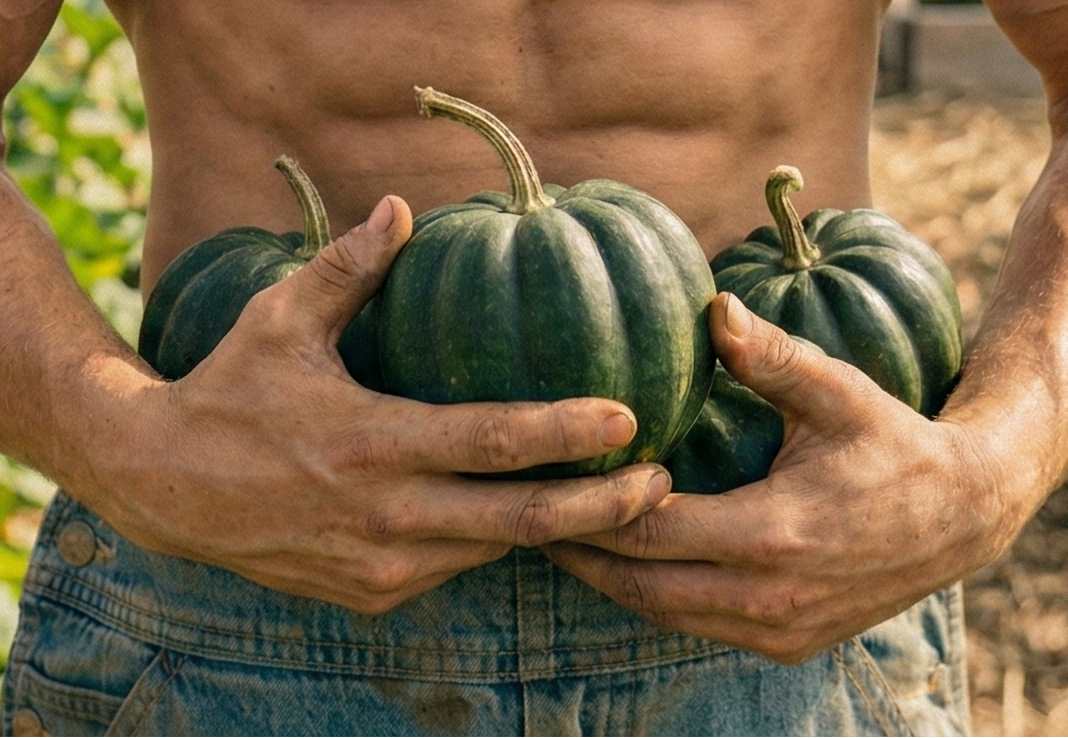
Table Queen Acorn Squash (also known as Des Moines or Danish Squash) is a legendary heirloom acorn squash introduced in 1913. It is highly prized for its reliable performance in short-season climates like ours in Canada.
Type: Winter Squash (Acorn)
Maturity: 80–90 days
Fruit Size: ~6 inches (15 cm) in diameter; 1–2 lbs
Appearance: Deeply ribbed, dark green skin with pale yellow to golden-orange flesh.
Flavor: Sweet and nutty; often compared to sweet potato when roasted.
Growing Guide for Canada
Given our shorter growing window and risk of early fall frosts, timing is everything for Table Queen.
1. Starting & Planting
Indoor Start: Start seeds 3 weeks before the last frost (usually early to mid-May). Use peat or paper pots, as squash roots are sensitive and dislike being disturbed during transplanting.
Direct Sowing: Only sow directly once the soil has warmed to at least 18°C-21°C (usually early June).
Method: Plant in "hills" (small mounds). Space hills about 3–4 feet apart for bush varieties or 6 feet for vining types. Sow 4–6 seeds per hill, 1 inch deep, and thin to the strongest 2–3 plants.
2. Care & Maintenance
Sun: Requires full sun (6+ hours per day).
Watering: Consistent moisture is key. Aim for about 1 inch of water per week, watering at the base to keep leaves dry and prevent powdery mildew.
Pollination: Like most squash, Table Queen has separate male and female flowers. Ensure you have pollinators (bees) or hand-pollinate if you notice small fruit shriveling and falling off.
3. Harvesting & Storage
Harvest: Pick before the first hard frost. You’ll know they are ready when the skin is hard enough that it can't be punctured by a fingernail and the "ground spot" (where it touches the earth) turns orange.
The Stem Rule: Always cut the squash with 2–3 inches of stem attached. Removing the stem entirely creates an entry point for rot.
Storage: Table Queen is an excellent "keeper." Store in a cool, dry place (10°C–13°C) for 2–3 months.
Share