Matches Seeds
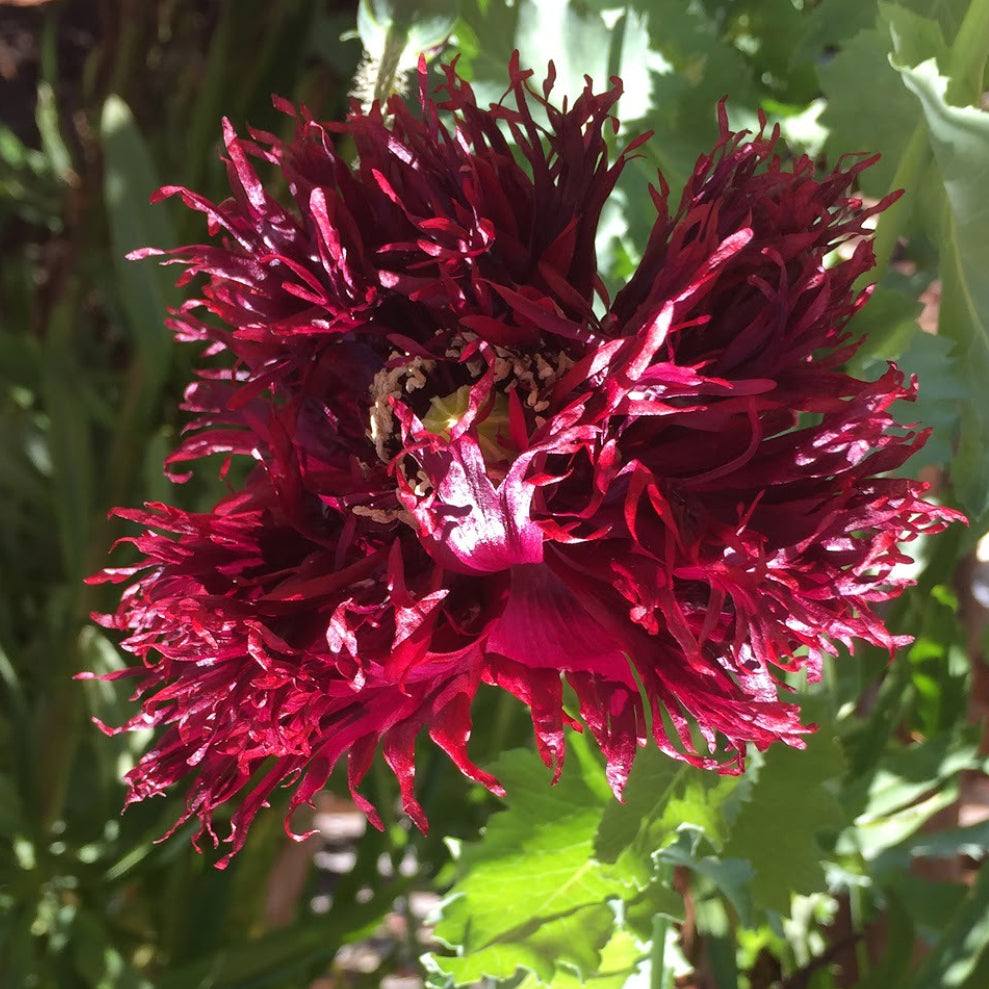
A Black Swan Poppy deeply ruffled, carnation-like, nearly black shade of burgundy
A Black Swan Poppy deeply ruffled, carnation-like, nearly black shade of burgundy
Couldn't load pickup availability
Black Swan Poppy Seeds, A Dark, and Dramatic Masterpiece
Black Swan Poppy is not your average garden bloom; it is a moody, sophisticated showstopper that demands attention. With its deeply ruffled, carnation-like petals in an intense, near-black shade of burgundy, it brings a gothic elegance to any garden border or floral arrangement. Unlike the standard papaver, this variety offers a rich, velvety texture and a complex, dramatic silhouette that pairs beautifully with lighter-toned perennials, providing a stunning contrast that draws the eye immediately. Packet Size is 0.4g, largers sizes available.
Growing Tips: From Seed to Bloom
Growing these beauties from seed is a rewarding process if you follow these steps to ensure success.
Height: 24 to 36 inches (60 to 90 cm), with some plants reach up to 48 inches (120 cm). Width/Spread: 9 to 12 inches (22 to 30 cm). Flower Size: 3 to 5 inches (7 to 12 cm) across.
Sowing these Poppy Seeds: Poppies thrive on cold stratification (but not nessisary) and hate root disturbance. Sow seeds directly into the garden in early spring as soon as the soil can be worked, or in late autumn in milder climates. Sprinkle the tiny seeds over prepared, loose soil, do not cover them deeply, as they require light to germinate.
Ideal Location: Choose a site that receives full sun to partial shade. These plants appreciate well-draining soil, which prevents the roots from rotting during the cooler, wetter months of early growth. Use where you might strugle to grow other flowers, in poor dry soil conditions. Very resiliant and tolerant plants you can use in many spaces with sun!
Thinning and Spacing: Once the seedlings reach about two inches tall, thin them out to give each plant about 6 / 10 inches of space. This encourages better air circulation and prevents overcrowding, allowing the unique, ruffled blooms to develop their full, dramatic character.
Watering and Care: Keep the soil consistently moist but not waterlogged while the plants are actively growing. As the temperatures rise and the poppy heads begin to form, you can reduce watering slightly.
The Bloom Cycle: Enjoy the progression from the unique, nodding green buds to the final, fully expanded, dark, fringed flowers. If you wish to collect seeds for next year, leave the decorative seed pods on the plant until they are completely dry and brown.
Share